Contact Us
  Home /
 Precision CNC Machining Services
Move from prototype to production with one engineering-led CNC partner. Yanmee combines 3-axis, 4-axis, 5-axis and turning capacity to produce complex metal and plastic parts with controlled tolerances, documented inspection and production-ready finishes.
-
 3-axis, 4-axis and 5-axis CNC machining
 -
CNC turning and mill-turn capability
-
Metal and engineering-plastic materials
-
Prototype, bridge and production quantities
 Get Free Quote
CNC parts manufactured as fast as 1 day
CNC parts with tolerances down to ±0.001mm
Full material compatibility for metals & plastics
-

Engineering support for design optimization
-

Rapid prototype to production transition
-

Multi-axis machining capability
-

ISO 9001:2015 certified QMS
Processes and Capabilities
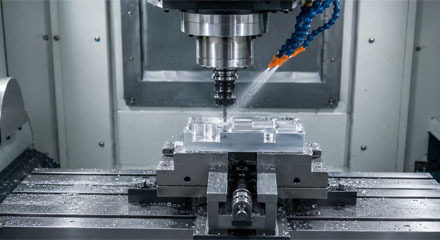
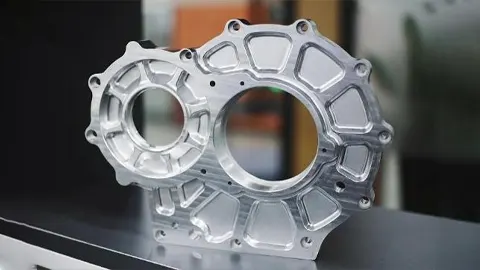
A cost-effective choice for plates, brackets, pockets, holes and prismatic parts that can be completed from accessible directions.

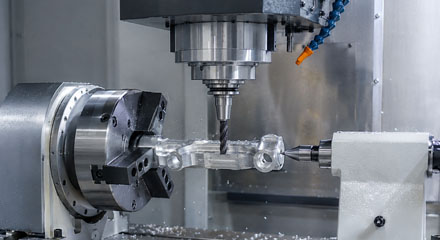
Adds controlled rotation for multi-side features, indexed drilling and parts that would otherwise require several manual setups.
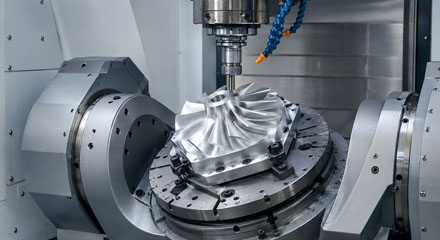
Supports compound angles, free-form surfaces and complex multi-face geometry while reducing re-fixturing and tolerance stack-up.
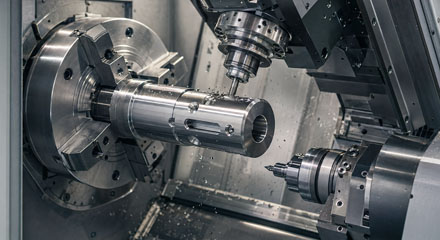
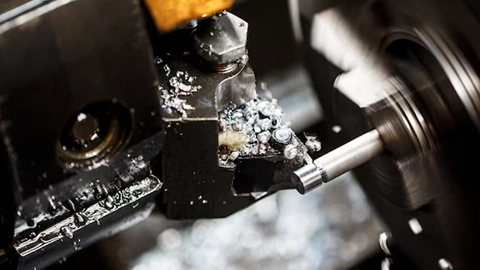
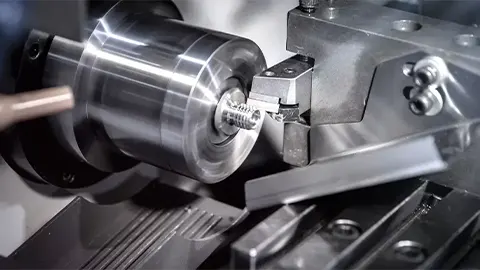
Produces shafts, bushings, fittings and rotational parts, with live-tool milling and drilling available for multi-feature components.
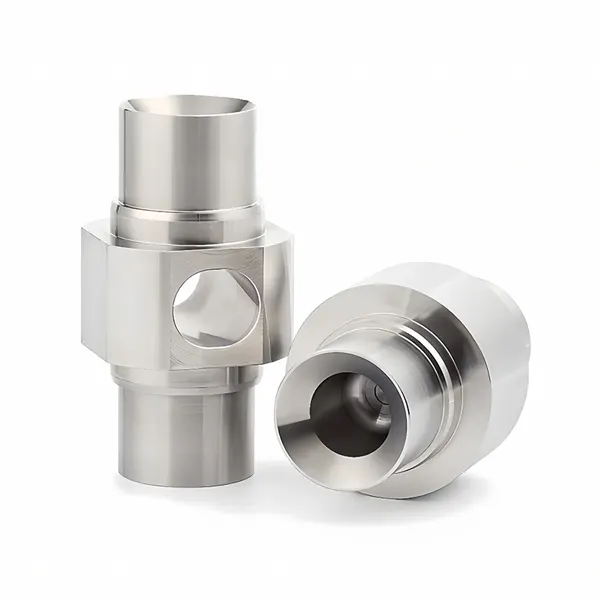
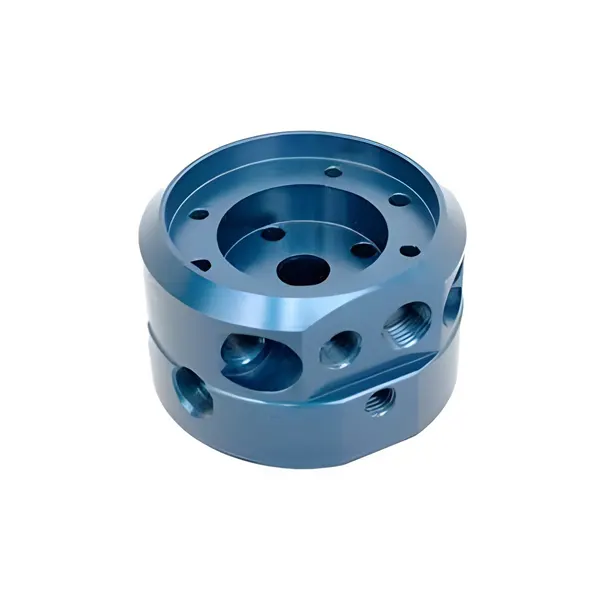
Typical CNC Machined Parts
-
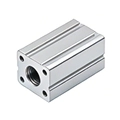 Aluminum housings
 -
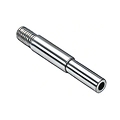 Precision shafts
 -
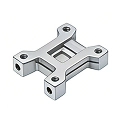 Mechanical brackets
 -
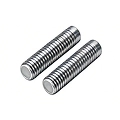 Threaded connectors
 -
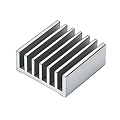 Heat sinks
 -
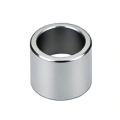 Bushings
 -
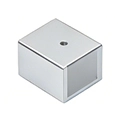 Electronic enclosures
 -
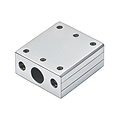 Custom machine components
 -
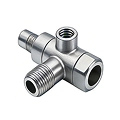 Valve components
 -
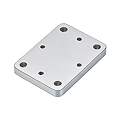 Structural plates
Have a similar part to manufacture?
Get Free Quote CNC Machining Materials
-
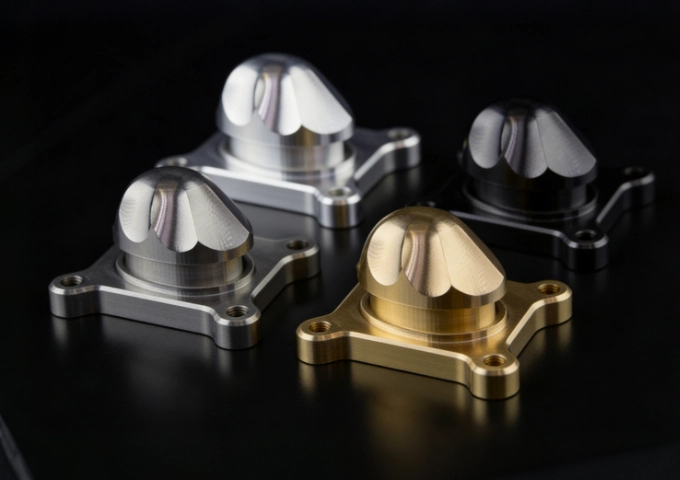 . Metal .
-
Aluminum Alloys

Lightweight, corrosion-resistant, and easy to machine. Ideal for parts requiring strength with reduced weight.
Typical Applications- Electronic Housings
- Heat Sinks
- Structural Brackets
- Automotive components
Cost Efficiency:

-
Stainless Steel
High strength and excellent corrosion resistance, suitable for harsh environments.
Typical Applications- Valves and fittings
- Medical components
- Mechanical parts
- Food-grade equipment
Cost Efficiency:
-
Carbon Steel
Strong and durable material with good mechanical properties, widely used in industrial applications.
Typical Applications- Machine components
- Structural parts
- Industrial equipment
Cost Efficiency:
-
Brass
Easy to machine with excellent electrical conductivity and corrosion resistance.
Typical Applications- Connectors
- Fittings
- Electrical components
Cost Efficiency:
-
Titanium
High strength-to-weight ratio with superior corrosion resistance and biocompatibility.
Typical Applications- Aerospace components
- Medical implants
- High-performance mechanical parts
Cost Efficiency:
-
-
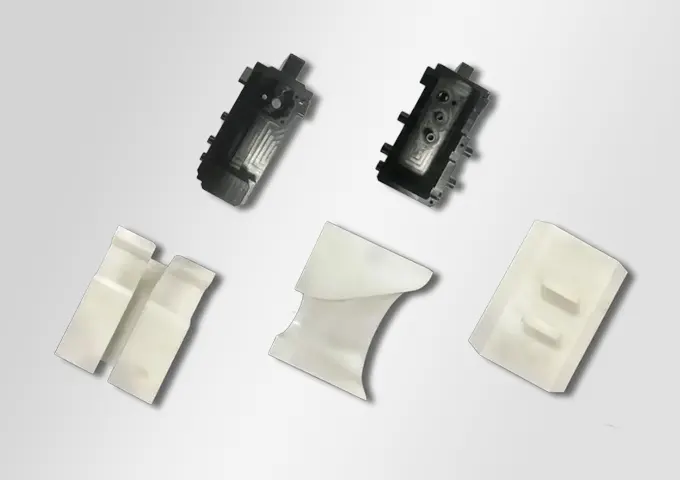 . Plastic .
-
ABS
Impact-resistant plastic with good machinability, widely used for functional prototypes.
Typical Applications- Electronic enclosures
- Prototype parts
- Consumer products
Cost Efficiency:
-
POM (Delrin)
High dimensional stability with low friction, suitable for precision mechanical parts.
Typical Applications- Gears
- Bushings
- Sliding components
Cost Efficiency:
-
Nylon (PA)
Strong, wear-resistant material with good mechanical properties.
Typical Applications- Mechanical components
- Bearings
- Structural plastic parts
Cost Efficiency:
-
PTFE (Teflon)
Extremely low friction and excellent chemical resistance.
Typical Applications- Seals
- Insulation components
- Chemical industry parts
Cost Efficiency:
-
PEEK
High-performance plastic with excellent strength and heat resistance.
Typical Applications- Medical components
- Aerospace parts
- High-temperature applicationsBrackets
Cost Efficiency:
-

Explore our full material list or contact our engineering team for recommendations.
CNC Machining Surface Finishing Options
Choose from a range of finishes to improve the appearance, corrosion resistance, wear performance, and surface texture of CNC machined parts. Available options depend on the material, geometry, tolerance, and application requirements.
-
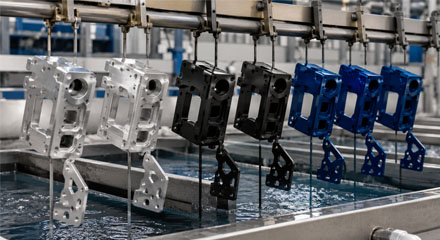
Anodizing
Improves corrosion resistance and provides a durable decorative finish for aluminum parts.
-
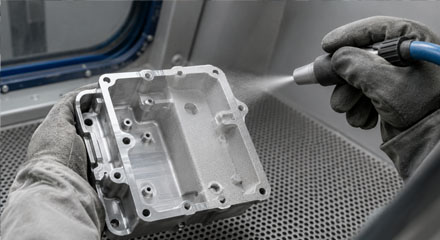
Bead Blasting
Creates a clean, uniform matte texture and reduces visible machining marks.
-
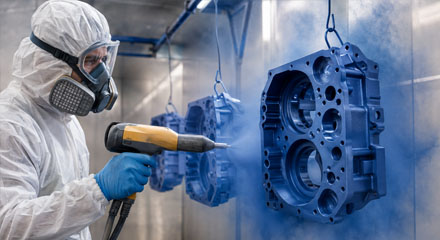
Powder Coating
Adds a durable colored coating with strong resistance to wear and corrosion.
-
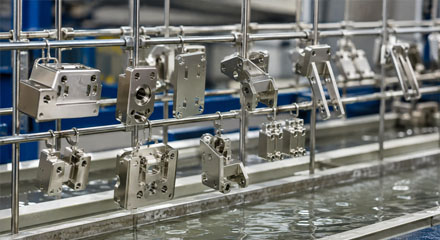
Nickel Plating
Provides a smooth metallic layer for improved corrosion resistance and appearance.
-
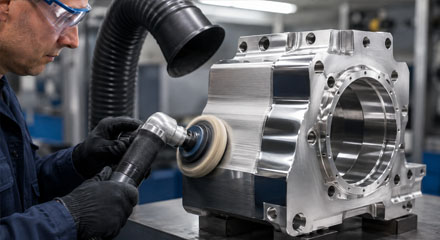
Polishing
Reduces surface roughness and produces a smooth or reflective finish.
-
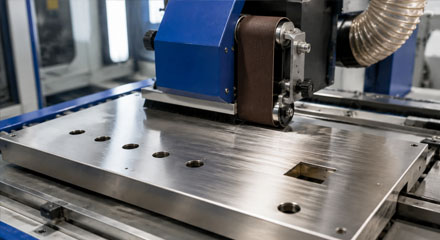
Brushing
Creates a consistent directional texture on stainless steel and other metal surfaces.
*Not sure which finish is right for your part? Explore our complete guide
Tolerance Guide
Precision is critical in CNC machining. We define tolerances based on part function, material characteristics, and manufacturing feasibility to ensure optimal performance and cost balance.
Proper tolerance design helps reduce machining cost and improve production efficiency:
- Avoid over-tight tolerances where not functionally required
- Use standard tolerances for non-critical features
- Simplify complex geometries when possible
- Maintain uniform wall thickness for better stability
- Consider material behavior during machining
| Tolerance Type | Standard Tolerance (±mm) | Material | Cost Impact | Machining Feasibility |
| Non-critical Linear Dimensions | 0.10 | All metals & engineering plastics | Low | Standard 3-axis milling/turning; no special tooling required |
| Critical Linear Dimensions | 0.05 | Aluminum, Stainless Steel, Brass | Medium | Requires precision tooling & in-process inspection; avoid for brittle plastics (e.g., PEEK) |
| High-precision Linear | 0.02 / 0.03 | Aluminum 7075, Titanium, Stainless Steel | High | Needs 5-axis machining/CMM inspection; only for aerospace/medical critical components |
| Hole Positioning | 0.05 / 0.08 | All materials | Medium | Aligns with standard drill/reamer tolerances; tighter specs require reaming/boring |
| Surface Flatness | 0.05 / 0.10 | All metals | Medium | Thinner walls (< 2mm) require looser tolerances to prevent warping |
| Thread Pitch (Metric) | Class 2 / Class 3 | All machinable materials | Low/Medium | Class 2 = standard; Class 3 = high-load assemblies, requires thread grinding |
Not sure about the right tolerance for your part?
Get Free Quote Our CNC Machining Process
-
 STEP 1
 Design Review
 -
 STEP 2
CNC Programming
STEP 2
CNC Programming -
 STEP 3
Material Preparation
STEP 3
Material Preparation -
 STEP 4
Precision Machining
STEP 4
Precision Machining -
 STEP 5
Surface Finishing
STEP 5
Surface Finishing -
 STEP 6
Quality Inspection
STEP 6
Quality Inspection -
 STEP 7
Packaging & Delivery
STEP 7
Packaging & Delivery
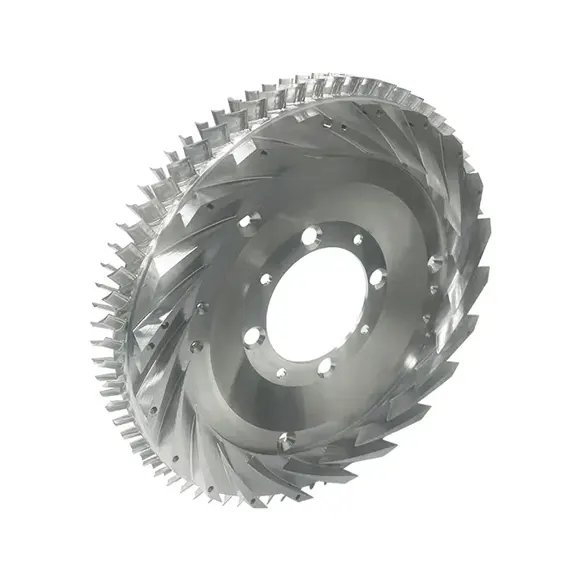
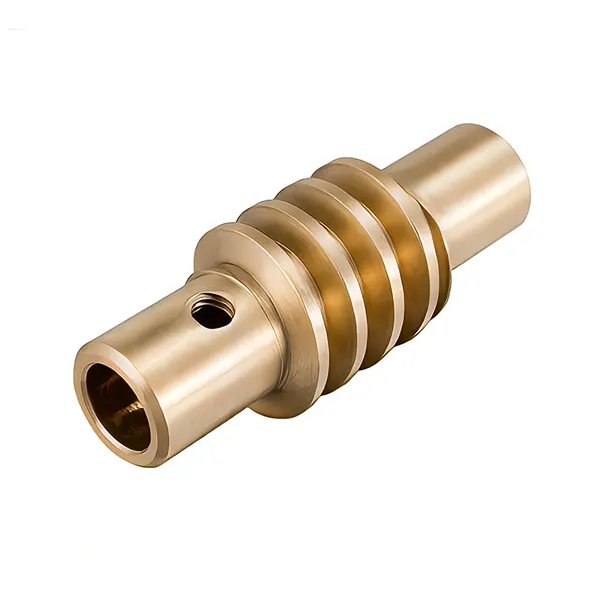
Case Studies
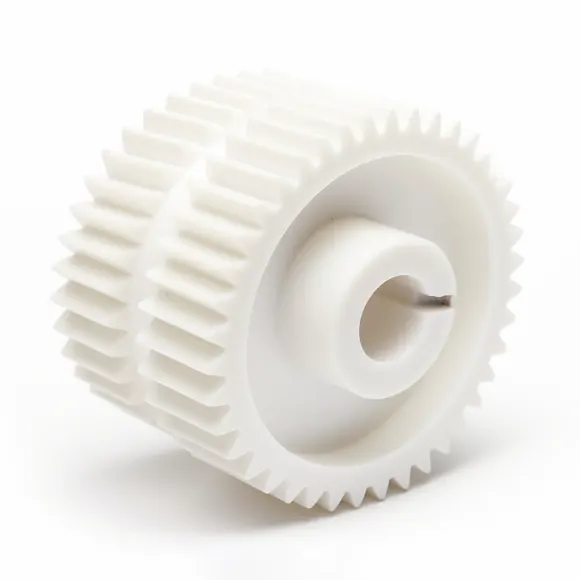
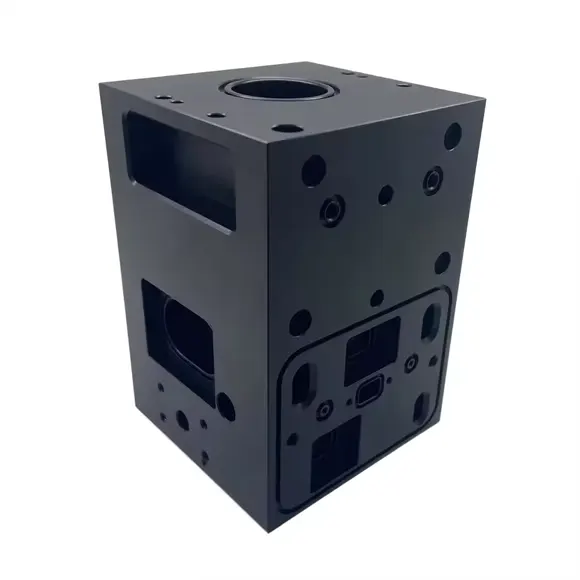
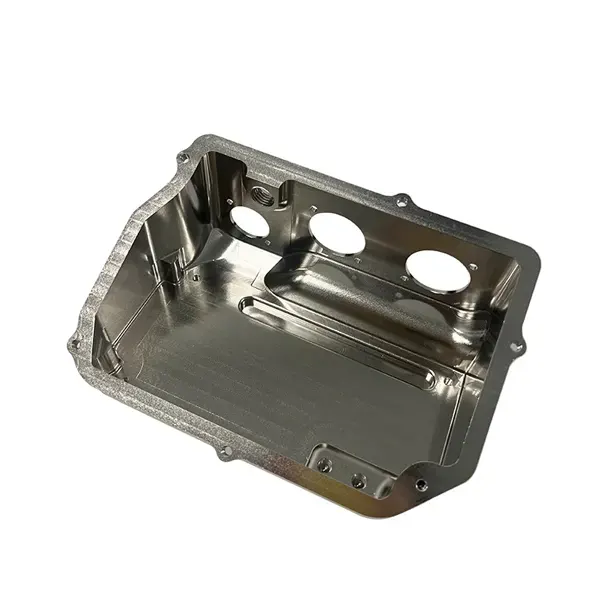
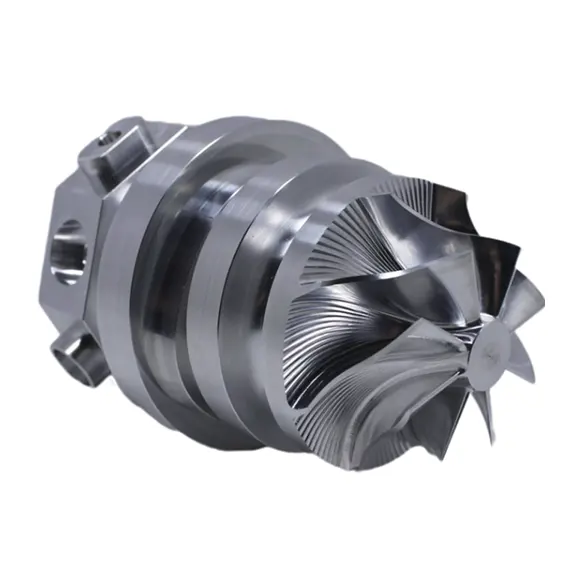
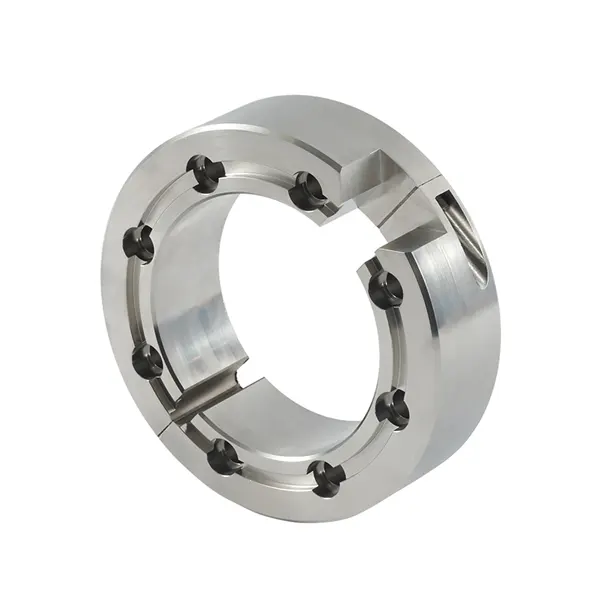
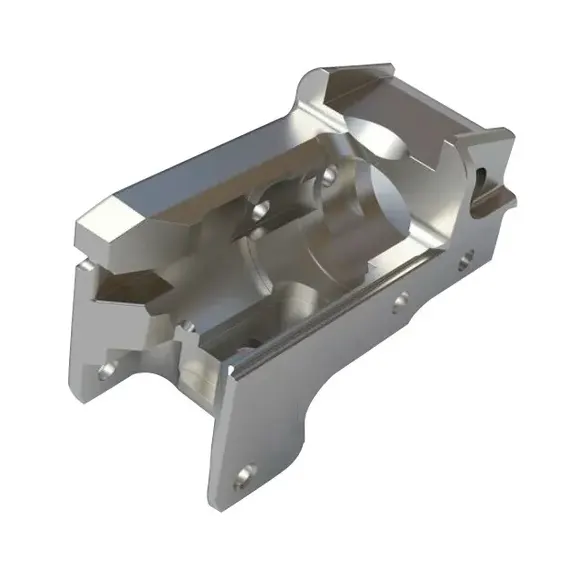
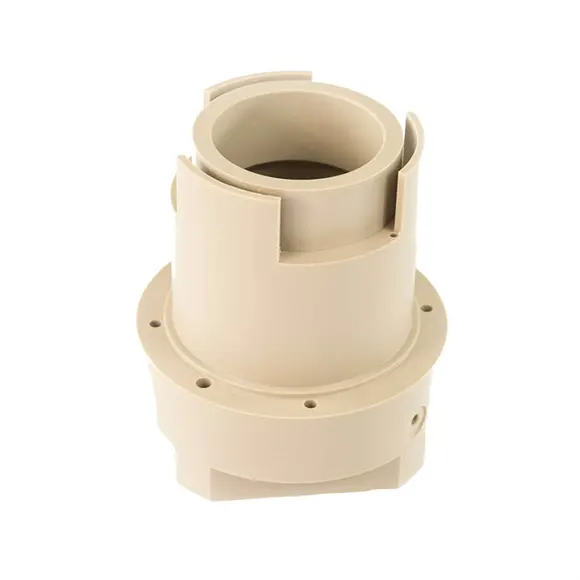
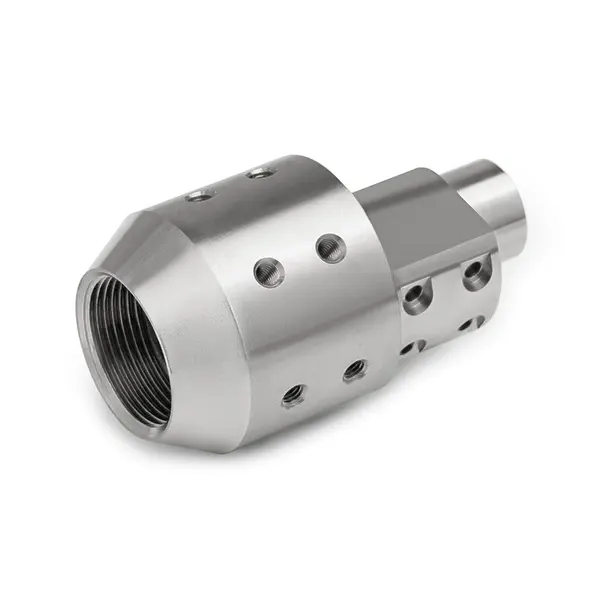
Explore how we help customers manufacture high-quality CNC machined parts.
Guides to Optimize Your CNC Parts Design
Common CNC Machining Questions

Reliable CNC Machining From Prototype to Production
At Yanmee, we combine engineering support, multi-axis machining, and structured quality control to manufacture precision metal and plastic parts. From initial design review through machining, finishing, and inspection, our team keeps every project focused on manufacturability, consistency, and dependable delivery.
-
DFM support before machining begins
-
3-axis, 4-axis, 5-axis, and turning capabilities
-
Inspection based on drawings and critical dimensions
-
Fast engineering feedback and project communication
-
Support for prototypes and low-volume production
-
Metals, alloys, and engineering plastics available
What You Can Expect From Yanmee
-

Secure Project Handling
Your drawings, CAD files, and project information are handled confidentially, with NDA support available upon request.
-

DFM Review Before Machining
Our engineers review geometry, tolerances, materials, and machining feasibility before production begins.
-

Drawing-Based Quality Control
Critical dimensions, tolerances, and surface requirements are inspected against your approved drawings.
-

Responsive Project Communication
Receive clear updates and engineering feedback throughout quoting, production, inspection, and delivery.
-

Clear, Itemized Quotations
Quotations clearly define materials, quantities, machining requirements, finishing options, and applicable costs.
-

Flexible Production Support
Yanmee supports prototype verification, design revisions, low-volume orders, and repeat production programs.