Contact Us
  Home / Industries /

Medical Device Prototype Manufacturin
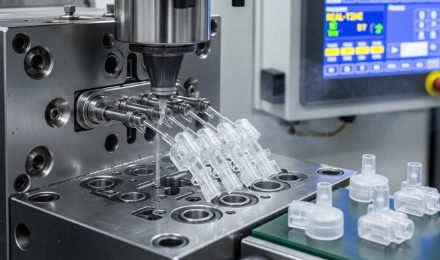
Yanmee supports medical engineering teams with CNC machining, 3D printing, vacuum casting, sheet metal fabrication, surface finishing, assembly, and low-volume prototype manufacturing.
Our services focus on non-implantable mechanical components and development samples used for appearance review, ergonomic evaluation, structural validation, assembly testing, and manufacturing preparation.
 Get Free Quote
 Develop accurate physical prototypes for medical equipment, diagnostic devices, laboratory instruments, and healthcare product development.
Medical products frequently combine external housings, internal frames, electronic components, displays, buttons, sensors, connectors, fluid-handling elements, and user-facing surfaces.
A design that appears complete in CAD may still contain problems involving component clearance, fastening access, enclosure gaps, connector alignment, ergonomics, cleaning access, or assembly sequence.

Functional metal and plastic prototypes

Equipment housings and internal structures

Form, fit, and assembly verification

Project-specific dimensional inspection

Flexible production from prototype to small batch
Manufacturing Capabilities for Medical Prototypes
The manufacturing process should be selected according to what the prototype needs to demonstrate.
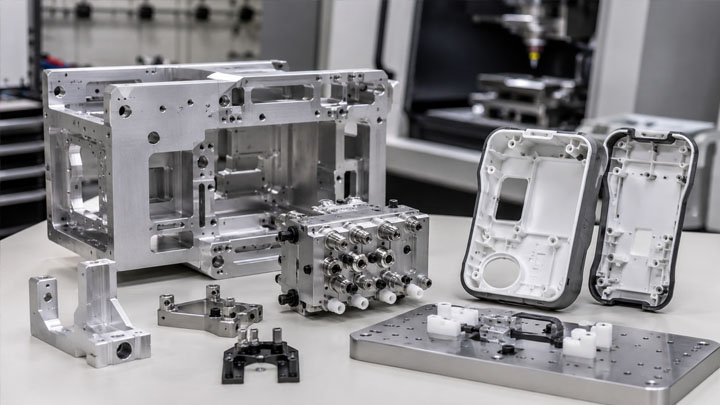
Medical Device Prototype Manufacturing
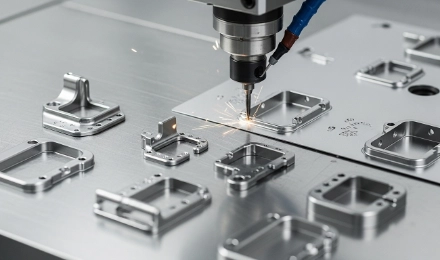
CNC machining produces strong plastic and metal parts with stable material properties for functional testing and assembly evaluation.
✔️ Equipment frames and brackets
✔️ Internal mounting structures
✔️ Valve and manifold prototypes
✔️ Handheld device housings
✔️ Laboratory instrument components
✔️ Testing fixtures and tooling
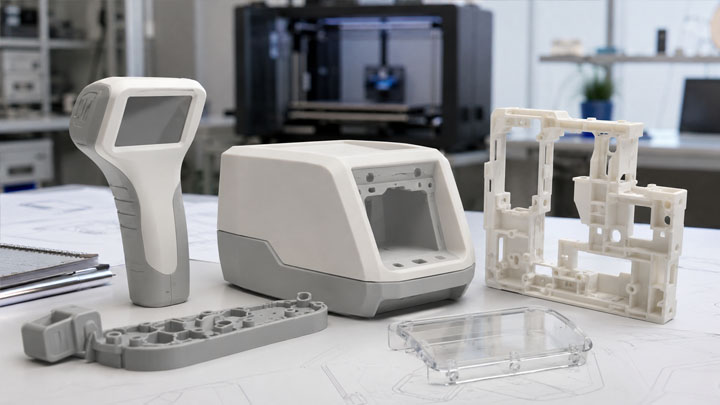
Prototypes for Medical Device Development
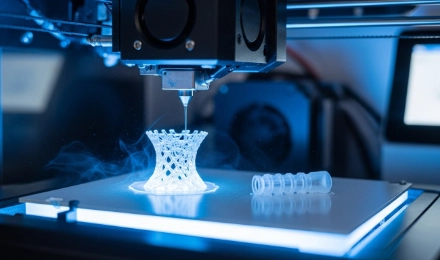
3D printing supports rapid design iteration when teams need to evaluate shape, ergonomics, internal layout, component clearance, or complex geometry.
✔️ Ergonomic handheld models
✔️ Enclosure concepts
✔️ Internal supports
✔️ Cable-routing parts
✔️ Custom laboratory fixtures
✔️Complex channels and ducts
What Can We Do in This Industry?
-
 Surgical Scalpels
 -
Bone Drills & Reamers
-
Forceps & Clamps
-
Bone Screws
-
Artificial Joints
-
Spinal Cages
-
MRI Scanner Frames
-
Ventilator Valve Blocks
-
Laboratory Centrifuge Rotors
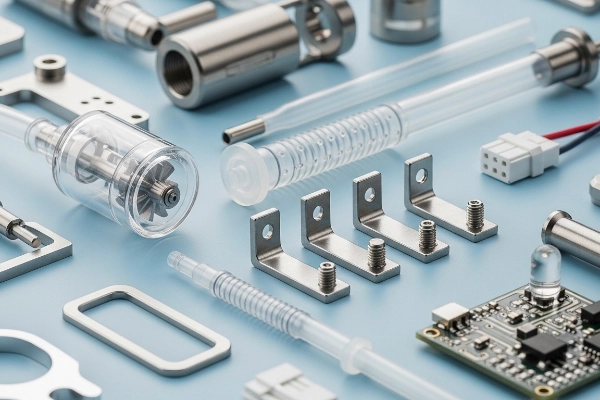

Ready to Start Your Next Machining Project?
Share your drawings with our engineering team and get practical feedback on manufacturability, lead time, and cost.
Manufacturing Services for Automotive
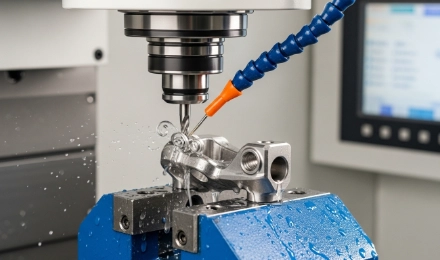
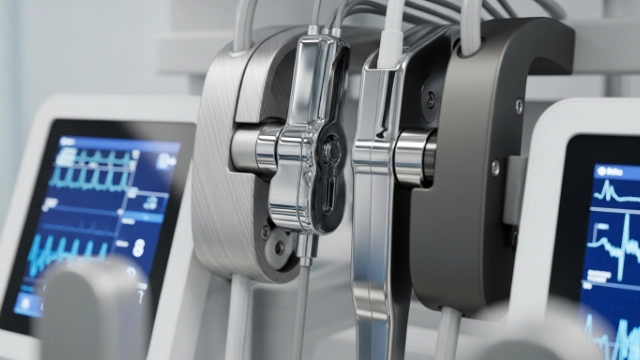
We provide high-precision manufacturing services to meet the exacting requirements of the medical industry—from prototyping to large-scale production.


-
 Explore Materials Options
Material Selection Based on Prototype Requirements
Material selection should reflect what the medical device prototype needs to demonstrate, including appearance, strength, dimensional stability, transparency, temperature resistance, or assembly performance.
Yanmee works with aluminum, stainless steel, engineering plastics, transparent materials, and cast polyurethane for non-implantable development parts. Our team can recommend suitable options according to the manufacturing process and intended evaluation.
Final material suitability, patient-contact requirements, biocompatibility, and regulatory approval remain the responsibility of the medical device manufacturer.

-
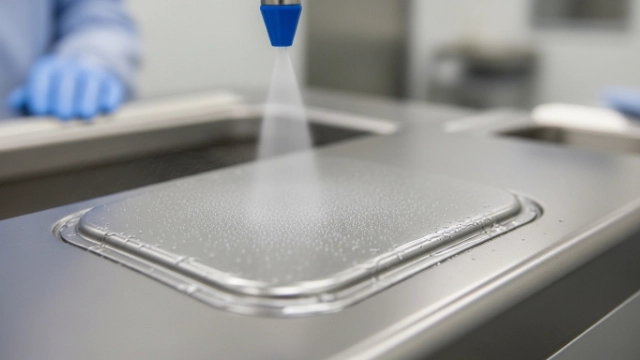 View Surface Finishing Services
Surface Finishing for Appearance and Function
Surface finishing helps medical equipment prototypes represent the intended product appearance while supporting practical requirements such as corrosion resistance, wear performance, cleanability, and component identification.
Available options may include painting, polishing, bead blasting, anodizing, passivation, powder coating, laser marking, and screen printing. The appropriate process depends on the base material, visible surfaces, prototype purpose, and confirmed finishing standard.
Color references, gloss levels, masking areas, cosmetic criteria, and critical interfaces should be specified before manufacturing.
Medical Manufacturing FAQ