
 Contact Us

Custom Home Appliance Prototypes for Product Testing


Table of Contents

Custom Home Appliance Prototypes: From Design Review to Real-World Testing
Household appliances should be able to accommodate daily activities, be safe, and be resistant to frequent use. A design may appear correct on the screen and conceal problems with assembly, heat, airflow, or access to controls. Custom Home Appliance Prototypes convert CAD ideas into components that can be checked, manipulated, and tested by engineers.
The appropriate prototype provides design, engineering, and manufacturing personnel with a common point of reference. This enables feedback to be more transparent and assists in steering every change prior to the product proceeding to a pilot build or full production run. These checks inform revisions, and changes are easy and cheap at the initial design stage. A test plan maintains a focus on product risks and test goals in early builds.
The Reasons Why Appliance Teams Require Physical Prototypes
Check More Than the Outer Shape
The design of household appliance products involves look, comfort, internal design, and assembly. Blender housing, such as, should have room to accommodate the motor, wiring, switches and airflow. A coffee machine must have space to accommodate a water tank, pipes, buttons, and heat shields.
Appliance concept development and custom product prototype design are used in appliance design and engineering to verify the fit, grip, access, and service requirements.
Choose a Process to Fit the Test
Rapid Prototyping of Home Appliances can be 3D printing, whereby parts are made based on the digital models. SLA is capable of creating smooth finishes and detail on buttons, covers, and display surrounds.
The choice of process is based on size, strength, surface requirements, and purpose of the test. Printed components might not be as heat resistant or as strong as molded production plastics. Explore Yanmee's 3D printing services for available methods.
CNC Machining to Precise Parts
CNC machining is used to cut a piece of solid metal or plastic stock. Aluminum may be used for brackets and heat sinks, and engineering plastics may be used in many housings and control components.
An example is that a motor mount can require a controlled spacing of the holes to ensure that the motor is in position. A knob or a button can require smooth motion without undue play. More details can be found in CNC machining options.
Vacuum Casting and Sheet Metal
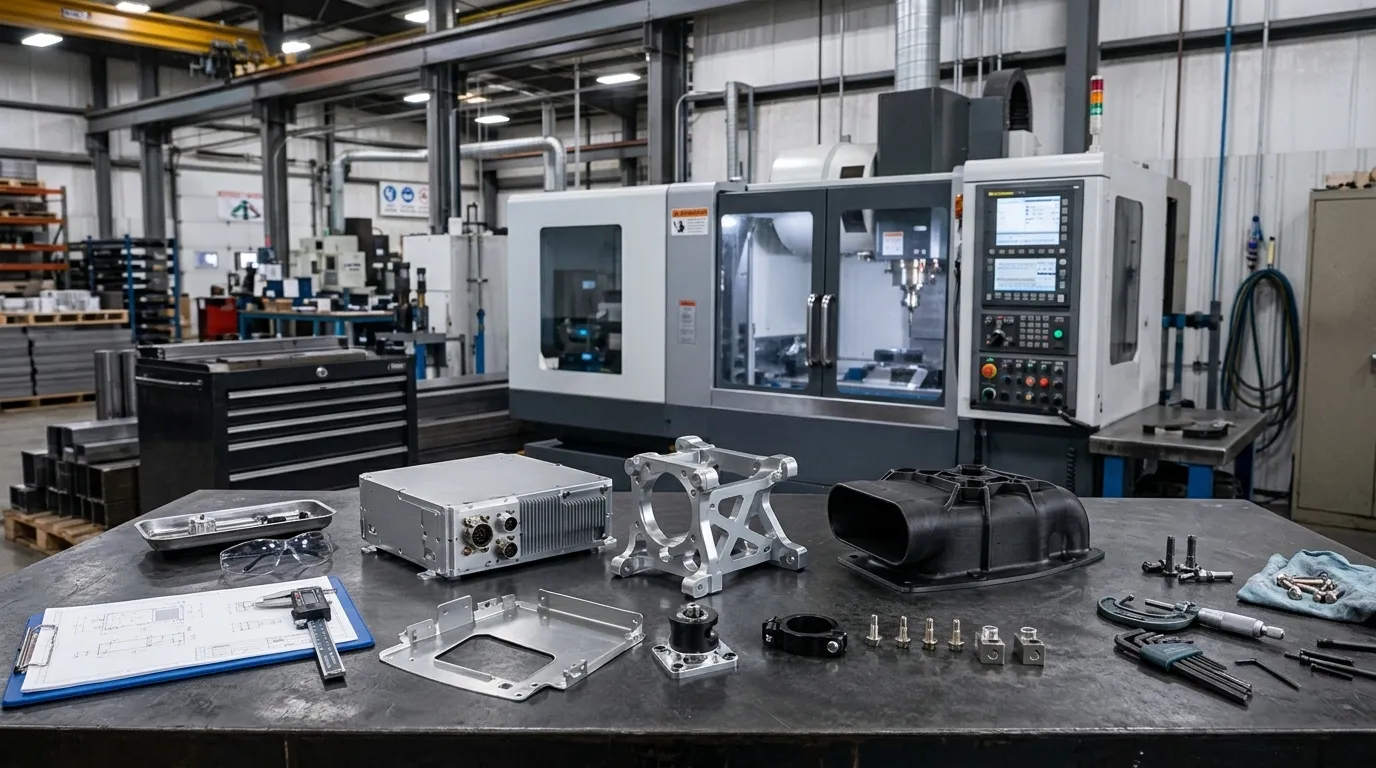
Vacuum casting involves silicone molds to cast small batches of resin parts. It is capable of assisting teams in comparing surface finish, color, shape, and assembly of multiple samples. Sheet metal fabrication is used to support brackets, panels, internal frames, and other formed parts. A project can be a combination of printed covers, machined mounts, cast housings, and bent metal supports.
Correlate Properties with Real Uses
The choice of material influences stiffness, impact strength, weight, surface finish, and heat response. Many housings and visual models are typical of ABS. Polycarbonate is impact resistant and can be used in transparent components. PA12 nylon is used to hold complex shapes and withstand numerous functional tests. Rigid supports are made with aluminum, and soft-touch features, seals, and grips are modeled with flexible TPU.
Something that appears correct might still crack when subjected to load or bend when it is close to a heat source. Note down the desired test conditions and then select a process and material. To choose, go to the Yanmee site.
Check Fit, Function, and Safety
Functional Home Appliance Prototypes assist the teams in verifying the behavior of parts when they are assembled. Goals and recorded results should be used in consumer appliance prototype testing. Useful checks include:
- Fit and dimensions: Measure key holes, gaps, interfaces, and clearances.
- Mechanical use: Check hinges, buttons, handles, clips, and moving parts.
- Heat response: Check temperatures around motors, heaters, and vents.
- Airflow: Examine intake and exhaust routes in fans or vacuum equipment.
- Assembly: Check tool access, cable routing, fastener placement, and service access.
Transform Prototype Feedback into Improved Production Plans
Appliance Product Development Services often include design review, process planning, material choice, and prototype inspection. A design-to-manufacturing (DFM) inspection verifies wall thickness, draft angles, ribs, fasteners, and assembly operations. Teams are to verify draft angles, screw bosses, snap fits, and parting lines with the selected production method. Such information influences the design of tools, release of parts, and repeatable assembly when volumes increase.
Warping can be caused by uneven plastic walls, and sink marks can be left by poorly located ribs. When not enhancing functionality, tight tolerances may increase the cost.
Custom Appliance Component Prototyping provides teams with a means to test these features prior to production molds being produced. This record assists engineers in comparing changes and preventing repetition of unsuccessful tests.
The Difference Appliance Prototypes Can Make
The process favors kitchen appliances, cleaning equipment, personal-care products, and climate-control equipment. A blender team is able to determine the alignment of motors and clearance of blades. A vacuum cleaner team is able to check airflow ducts, dust-bin fit, and handle strength. A hair dryer crew can check the shape of grips, location of vents, and spacing between internal parts.
- The development of home appliance products is most effective when the prototype is similar to the question under test. A written test goal should then be the beginning of functional prototype development, rather than a request to be provided with a physical part.
- Home Appliance Engineering Prototypes are also used to evaluate internal layouts and component fit prior to production by teams. Smart home devices might require screen, sensor, button, and cable opening checks.
Conclusion:
Custom Home Appliance Prototypes provide teams with a realistic method of testing designs prior to increasing the cost of tooling. The appropriate method is based on the part, material, finish, and test plan.
Yanmee assists with this work using 3D printing, CNC machining, vacuum casting, sheet metal fabrication, and low-volume builds. Send your CAD files, drawings, quantities, and test requirements to Yanmee to discuss the next step. Begin with the home appliance prototyping service and schedule a prototype build based on the checks your product will have to pass.
- PREV: Null
- NEXT: Null
Talk to the Manufacturer, Not a Middleman
Resources & Insights
-
Blog
Household Appliance Prototyping Services: From Concept to Market-Ready Products
2026-10-26By -
 Blog
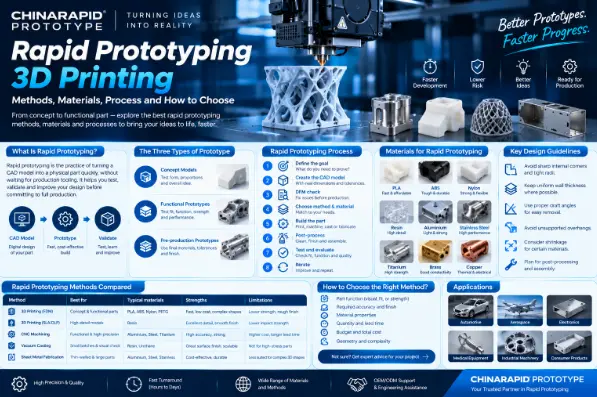
Rapid Prototyping 3D Printing- Methods, Materials, Process and How to Choose
2026-10-23By -
 Blog
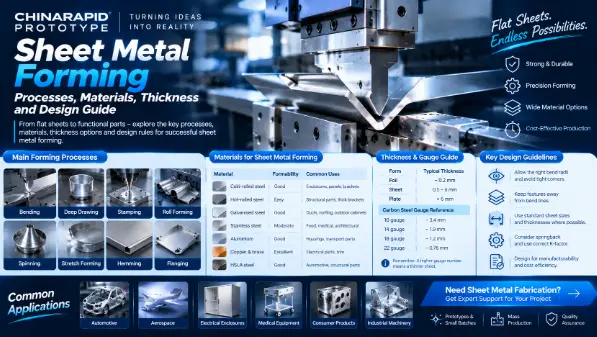
Sheet Metal Forming - Processes, Materials, Thickness and Design Guide
2026-10-23By -
 Blog
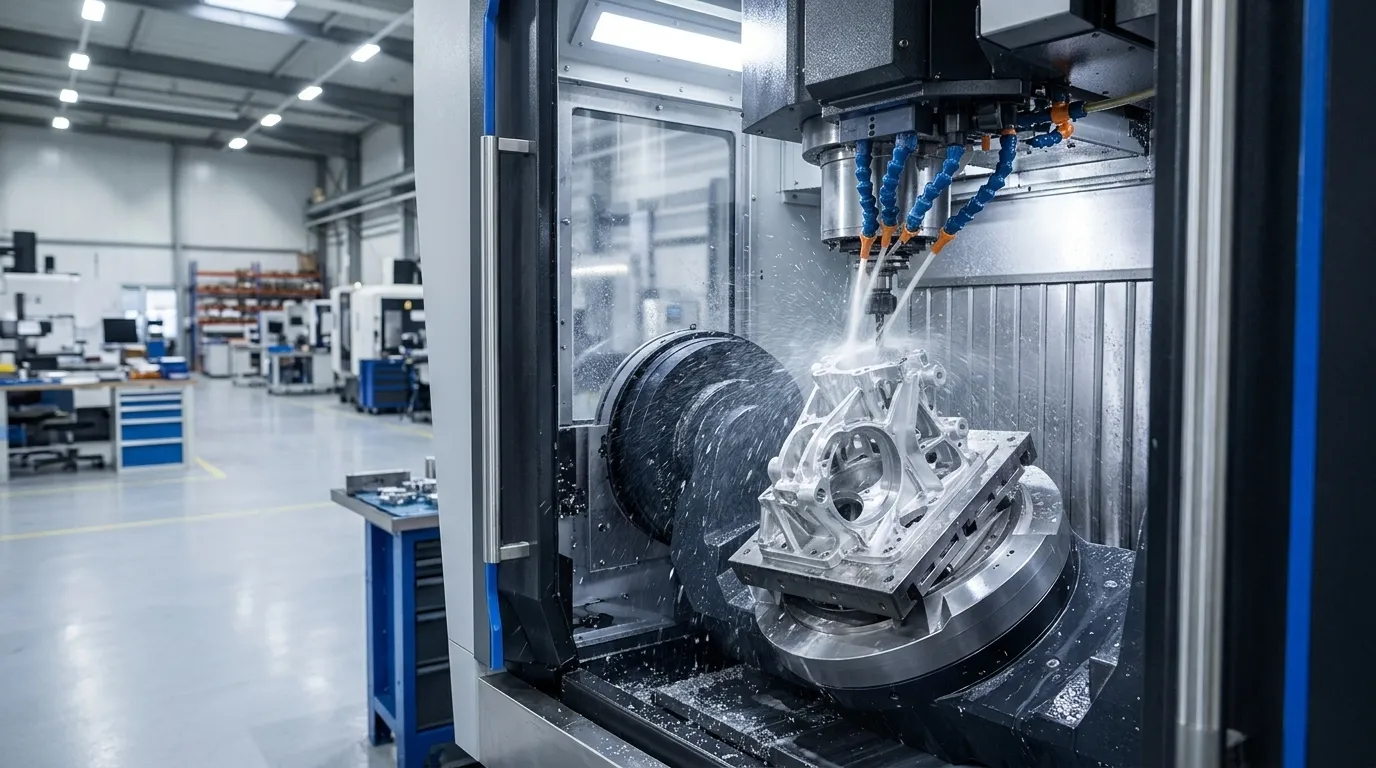
Low Volume Appliance Manufacturing Methods and Processes
2026-10-23By


