Contact Us
  Home /
 Rapid Prototyping Services for Product Validation
Validate design intent before committing to production. Yanmee combines engineering review, CNC machining, 3D printing, vacuum casting and soft tooling to build concept, functional and production-intent prototypes for fit, form, performance and assembly testing
-
 24-hour engineering feedback for complete files
 -
Appearance, functional and production-intent builds
-
CNC, 3D printing, vacuum casting and soft tooling
-
From one prototype to bridge batches
 Get Free Quote
Advanced technology for precision
Ideal for complex prototypes

-

Engineering Review Before Prototyping
-

Prototypes for Every Validation Stage
-

Multiple Prototyping Processes
-

ISO 9001:2015 certified QMS
Prototyping Techniques
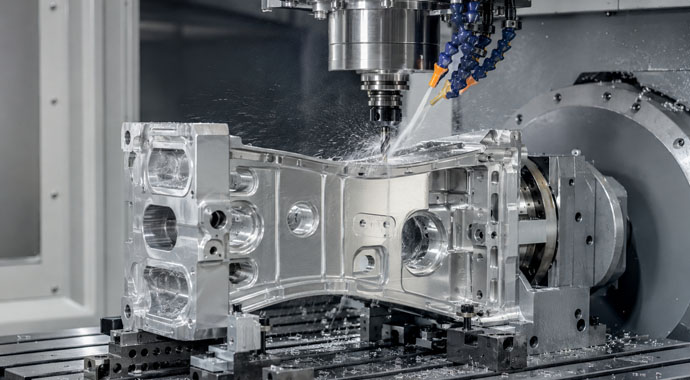
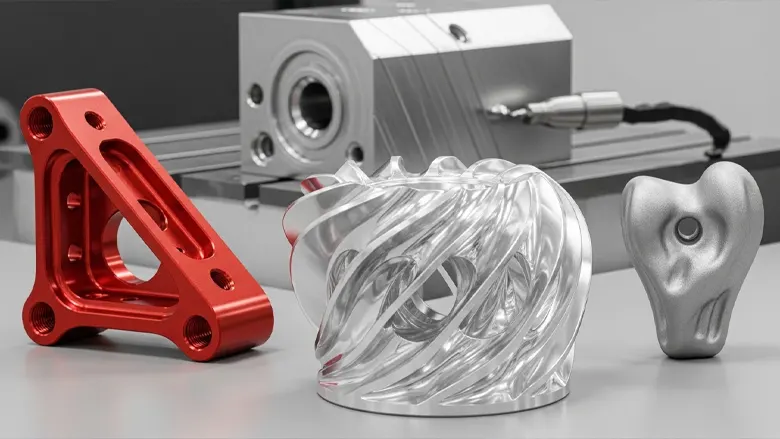
CNC Machining
- Production-Grade Materials: Aluminum, stainless steel, engineering plastics, and other machinable materials.
- Controlled Accuracy: Suitable for complex components, assembly features, and tight-tolerance applications.
- Functional Validation: Ideal for testing fit, strength, assembly, thermal performance, and mechanical operation.
- Flexible Quantities: Supports one-off prototypes, engineering samples, and low-volume production.
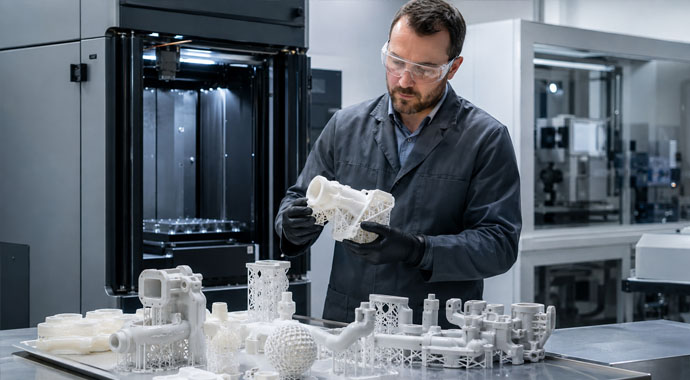
3D Printing
- Fast Iteration: Produce and compare multiple design versions within a shorter development cycle.
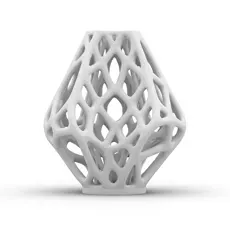
- Complex Geometry: Create internal channels, organic forms, thin features, and structures difficult to machine.
- Multiple Technologies: SLA, SLS, and metal printing options are selected according to project requirements.
- Early Design Validation: Suitable for concept review, ergonomic testing, form evaluation, and assembly checks.
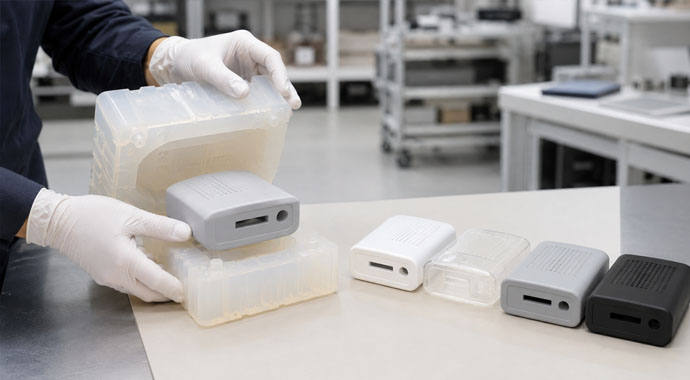
Vacuum Casting
- Low-Volume Production: Suitable for approximately 10–100 prototype parts
- Flexible Material Properties: Reproduce rigid, flexible, transparent, colored, or heat-resistant components.
- Production-Like Appearance: Achieve smooth surfaces, detailed features, painting, printing, and assembly.
- Lower Tooling Investment: Validate designs and market demand before committing to production molds.
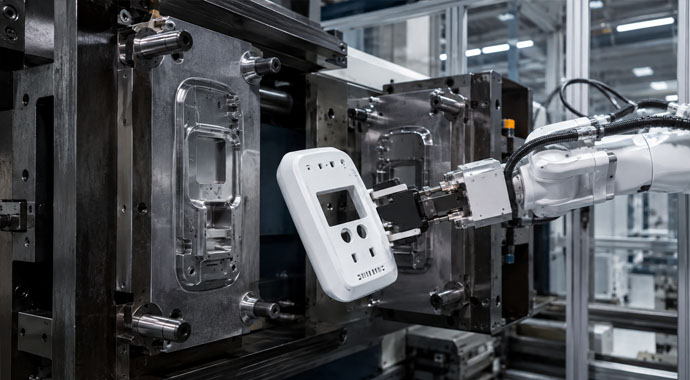
Injection Molding
- Production-Grade Parts: Manufacture components using suitable engineering thermoplastics.
- Consistent Replication: Maintain stable dimensions, details, and appearance across repeated parts.
- Tooling Options: Select rapid or production tooling according to quantity, material, and project goals.
- Scalable Manufacturing: Move more smoothly from T1 samples and testing to pilot or repeat production.
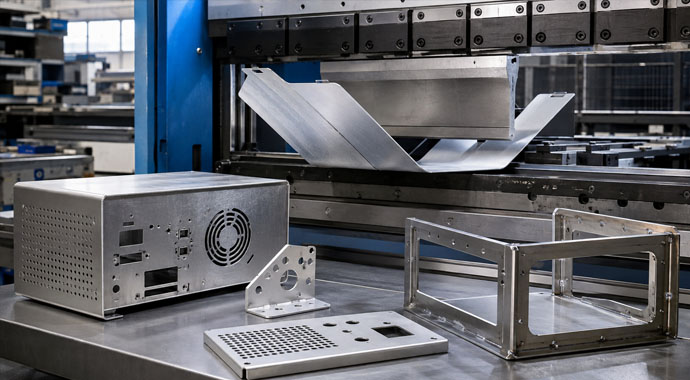
Sheet Metal Prototyping
- Integrated Fabrication: Laser cutting, CNC bending, welding, machining, and assembly.
- Multiple Metal Options: Aluminum, stainless steel, carbon steel, copper, and other sheet materials.
- Functional Validation: Evaluate structural strength, mounting positions, assembly fit, and product integration.
- Finishing Support: Powder coating, painting, anodizing, plating, brushing, and printing are available
Design Optimization Before Prototyping
Before manufacturing begins, our engineers review your design, materials, tolerances, assembly requirements, and intended application. Early optimization helps reduce prototype revisions, control costs, and improve the transition toward production.
Prototype Testing & Engineering Validation
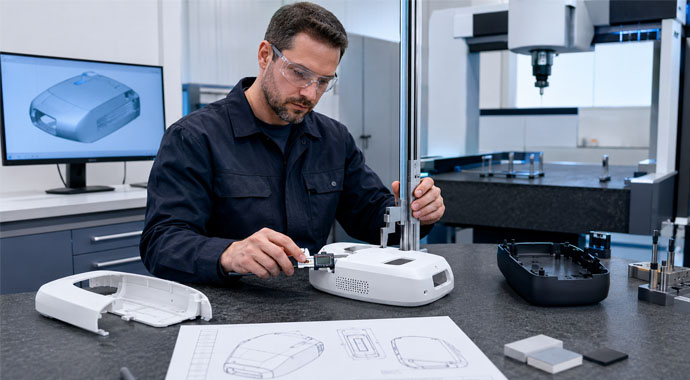
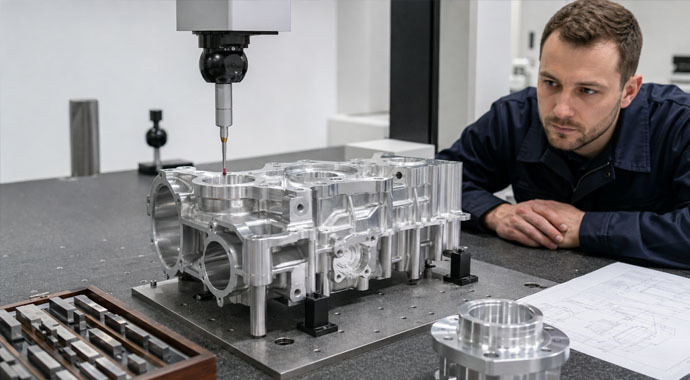
A functional prototype must be evaluated against its intended application—not only its CAD model. Yanmee supports dimensional, assembly, material, surface, and functional checks to help identify design risks before tooling or production begins.
- Dimensional Inspection: Verify critical dimensions, tolerances, hole positions, and mating features against approved drawings.
- Fit and Assembly Testing: Confirm that components align, fasteners engage correctly, and assembled parts operate as intended.
- Material Evaluation: Assess strength, flexibility, heat resistance, surface behavior, and other application-related properties.
- Functional Validation: Test movement, interfaces, ergonomics, mechanical performance, and real-use conditions where applicable.
From Validated Prototype to Low-Volume Production
After the design and prototype have been validated, Yanmee helps prepare the project for pilot builds and repeatable low-volume manufacturing. Production requirements are reviewed to improve process stability, part consistency, inspection efficiency, and future scalability.
- Pilot Production: Produce initial batches to verify tooling, fixtures, process settings, assembly steps, and inspection requirements.
- Process Optimization: Refine manufacturing methods to improve consistency, lead time, material use, and production efficiency.
- Quality Planning: Define critical dimensions, appearance standards, inspection methods, and acceptance requirements.
- Assembly Verification: Confirm that parts, finishes, hardware, and electronic components integrate correctly.
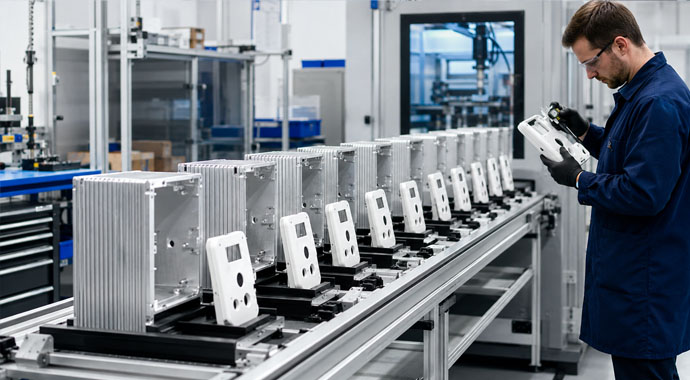
Testing and Evaluation
Prototype Testing and Validation
Evaluate critical dimensions, assembly fit, functional performance, material behavior, and design improvements before moving toward tooling or low-volume production.
Dimensional Inspection
Critical dimensions, tolerances, hole positions, wall thicknesses, and mating features are checked against approved drawings. Suitable measuring equipment is selected according to the part geometry and project requirements.
Fit & Functional Testing
Prototype components are assembled to evaluate alignment, fastening, movement, interfaces, and overall operation. Testing helps identify interference, assembly difficulties, and functional risks before production preparation.
Material & Durability Evaluation
Materials and finished parts can be evaluated for strength, flexibility, temperature exposure, surface behavior, and application-related durability. Testing requirements are defined according to the product’s intended use.
Clear Cost and Lead Time Evaluation
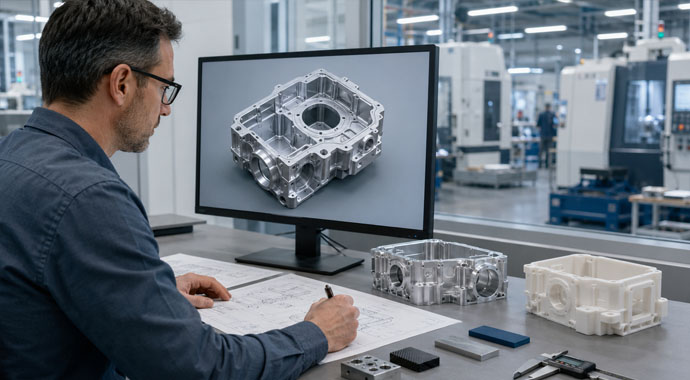
Yanmee evaluates each project according to its design, material, process, quantity, tolerance, surface finish, inspection, and delivery requirements. Our engineering team reviews these factors before providing a practical quotation and estimated production schedule.
Early project evaluation helps identify unnecessary costs, select suitable manufacturing methods, and reduce delays caused by unclear specifications or design changes.
For Faster Evaluation: Please provide your 3D CAD file, 2D drawing, material, quantity, surface finish, critical tolerances, and expected delivery date.
Tolerance Management for Functional Prototypes
Correct tolerance planning ensures that prototype components fit, assemble, and perform as intended. Yanmee reviews critical dimensions according to part geometry, material, manufacturing process, assembly relationships, and application requirements.
Rather than applying unnecessarily tight tolerances to every feature, we focus precision where it matters most. This helps balance functional performance, manufacturability, inspection efficiency, lead time, and cost.
| Tight Tolerances | Achieving tolerances as tight as ±0.05 mm, ensuring high precision in complex parts. |
| Cost Control | Optimizing tolerance levels to balance quality and cost efficiency for prototypes and production parts. |
| Consistency | Maintaining consistent quality across all parts through rigorous inspection and validation. |
| Material Adaptability | Tolerance management adapts to various materials to ensure optimal results regardless of the material used. |
Our engineering team can help optimize your design.
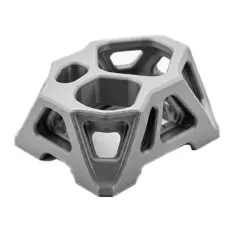
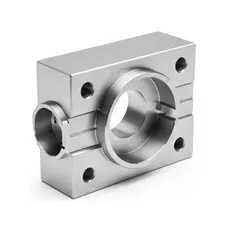
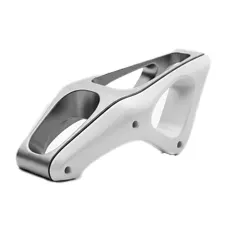
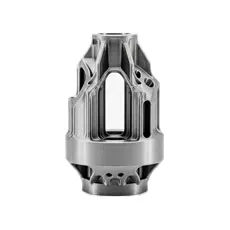
Rapid Prototyping Case Studies
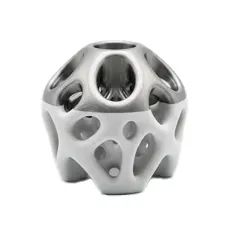
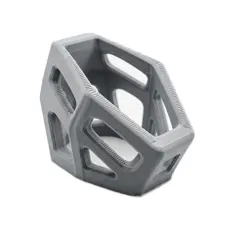
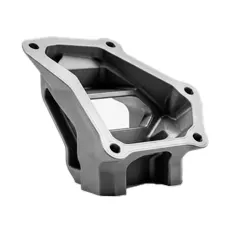
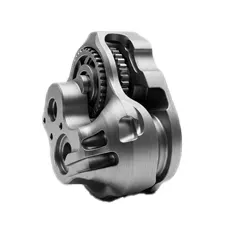
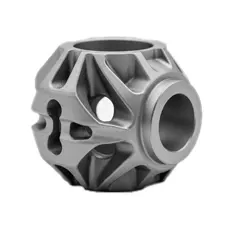
Rapid Prototyping Materials
-
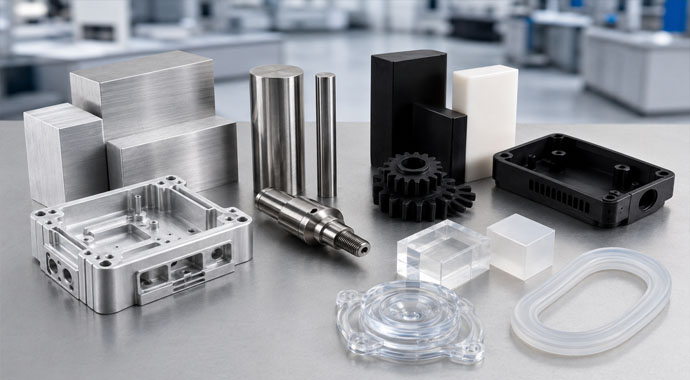 Materials for Functional Prototypes
-
Aluminum

Select materials according to prototype function, manufacturing process, mechanical requirements, surface finish, testing conditions, and project budget. Our engineers can recommend suitable materials based on your application and validation goals.
Typical Applications- Common Options: 6061, 6082, 7075
- Suitable Processes: CNC machining, sheet metal fabrication, die casting
- Typical Applications: Enclosures, heat sinks, brackets, housings, structural components
Get Material Recommendations

-
Stainless Steel
Stainless steel provides excellent strength, wear resistance, corrosion resistance, and durability for prototypes used in demanding mechanical or environmental conditions.
Typical Applications- Common Options: 303, 304, 316, 17-4PH
- Suitable Processes: CNC machining, sheet metal fabrication, metal printing
- Typical Applications: Medical parts, shafts, fixtures, fasteners, industrial components
Get Material Recommendations
-
Engineering Plastics
Engineering plastics offer different combinations of strength, impact resistance, insulation, low friction, transparency, chemical resistance, and dimensional stability.
Typical Applications- Common Options: ABS, PC, POM, PA, PMMA, PEEK
- Suitable Processes: CNC machining, 3D printing, vacuum casting, injection molding
- Typical Applications: Product housings, gears, covers, insulators, clips, functional assemblies
Get Material Recommendations
-
Prototype Resins
Prototype resins provide a practical way to produce detailed appearance models, transparent components, flexible parts, and short-run samples for early evaluation.
Typical Applications- Common Options: Rigid, transparent, flexible, heat-resistant, and casting resins
- Suitable Processes: SLA 3D printing and vacuum casting
- Typical Applications: Display models, lenses, seals, grips, housings, customer samples
Get Material Recommendations
-
-
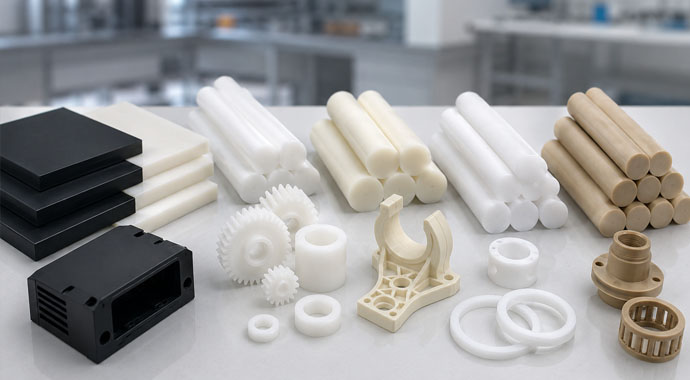 Plastic
-
ABS
ABS provides a practical balance of impact resistance, machinability, surface quality, and cost. It is widely used for functional prototypes, appearance models, and plastic components requiring painting, bonding, or assembly.
Typical Applications- Key Properties: Impact-resistant, machinable, easy to finish
- Suitable Processes: CNC machining, 3D printing, injection molding
- Typical Applications: Electronic enclosures, appliance housings, control panels, consumer products
Cost Efficiency:
-
POM (Acetal)
POM offers high stiffness, low friction, good dimensional stability, and excellent wear resistance. It is suitable for precision mechanical components requiring smooth movement and reliable repeated operation.
Typical Applications- Key Properties: Low friction, wear-resistant, dimensionally stable
- Suitable Processes: CNC machining and injection molding
- Typical Applications: Gears, bearings, rollers, bushings, guides, precision mechanisms
Cost Efficiency:
-
Nylon (PA)
Nylon combines strength, toughness, fatigue resistance, and low weight. Different grades can be selected for mechanical prototypes, moving components, and applications requiring improved wear resistance.
Typical Applications- Key Properties: Strong, lightweight, fatigue-resistant
- Suitable Processes: CNC machining, SLS printing, injection molding
- Typical Applications: Gears, clips, brackets, hinges, protective components
Cost Efficiency:
-
PTFE
PTFE provides excellent chemical resistance, low friction, electrical insulation, and high-temperature performance. Its softness and dimensional behavior should be considered during design and machining.
Typical Applications- Key Properties: Chemically resistant, low friction, insulating
- Suitable Processes: CNC machining and compression-related forming
- Typical Applications: Seals, insulators, gaskets, sliding components, chemical-handling parts
Cost Efficiency:
-
PEEK
PEEK is a high-performance engineering plastic offering excellent mechanical strength, chemical resistance, wear resistance, and thermal stability for demanding functional applications.
Typical Applications- Key Properties: Heat-resistant, strong, chemically stable
- Suitable Processes: CNC machining, specialized 3D printing, injection molding
- Typical Applications: Medical components, aerospace parts, electrical insulators, precision industrial components
Cost Efficiency:
-

Explore our full material list or contact our engineering team for recommendations.

Surface Finishing & CMF Options
Improve the appearance, texture, corrosion resistance, wear performance, branding, and production realism of your prototype. Yanmee provides surface finishing for metal and plastic parts according to material, application, cosmetic requirements, and target production process.
-
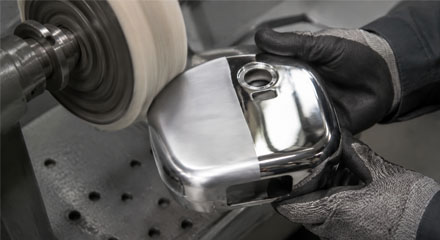
Polishing
Create a smooth, refined surface with reduced machining marks and controlled gloss for metal or plastic appearance parts.
-
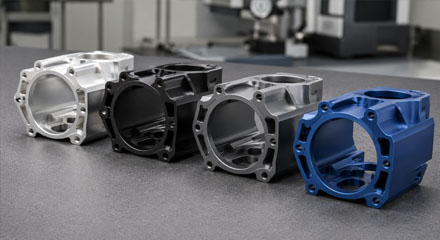
Anodizing
Improve the corrosion resistance, surface hardness, appearance, and color options of suitable aluminum components.
-
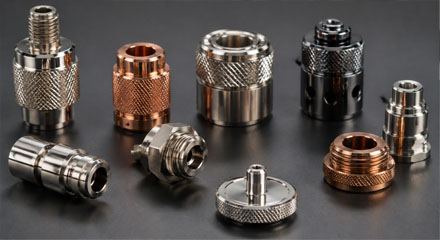
Electroplating
Apply a controlled metallic layer to improve appearance, corrosion resistance, conductivity, or surface performance.
-
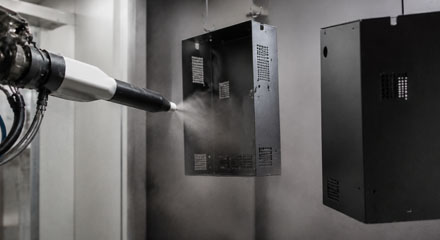
Powder Coating
Provide durable, consistent color and surface protection for sheet metal housings, frames, brackets, and industrial components.
-
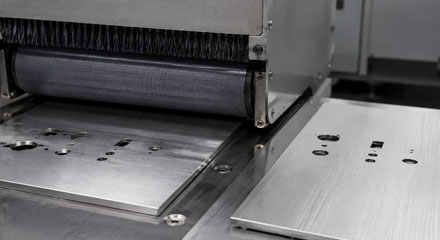
Brushing
Create a consistent directional grain on aluminum or stainless steel for a clean, professional cosmetic finish.
-
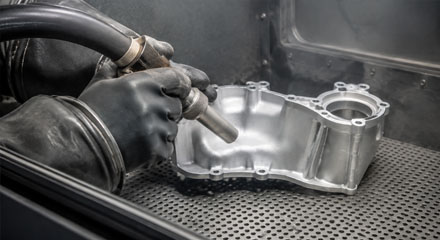
Bead Blasting
Produce a uniform matte texture, reduce visible machining marks, and prepare metal surfaces for further finishing.
-
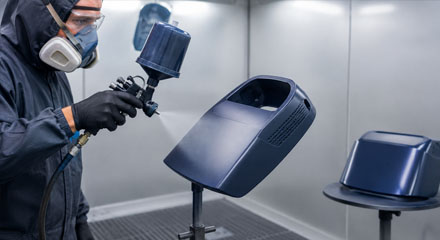
Painting
Achieve specified colors, gloss levels, textures, and cosmetic effects on plastic or metal prototype components.
-
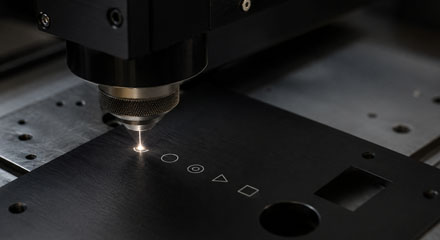
Printing & Laser Marking
Add durable graphics, symbols, identification marks, and interface details according to the product design.
-
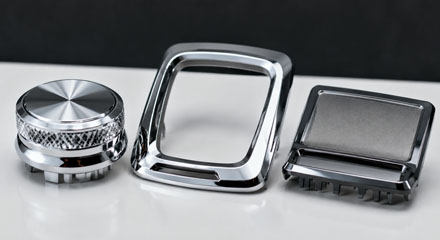
Vacuum Metallization
Create reflective metallic effects on plastic appearance parts for consumer electronics, appliances, and display prototypes.
*Not sure which finish is right for your part? Explore our complete guide
Rapid Prototyping Process
-
 STEP 1
 Project Review
 -
 STEP 2
DFM & Process Planning
STEP 2
DFM & Process Planning -
 STEP 3
Material & Finish Confirmation
STEP 3
Material & Finish Confirmation -
 STEP 4
Prototype Manufacturing
STEP 4
Prototype Manufacturing -
 STEP 5
Finishing & Assembly
STEP 5
Finishing & Assembly -
 STEP 6
Inspection & Validation
STEP 6
Inspection & Validation -
 STEP 7
Feedback & Next Build
STEP 7
Feedback & Next Build
Guides to Your Rapid Prototyping
Common Rapid Prototyping Questions

Ready to Start Your Custom Parts Project?
Upload your drawings (STEP, STP, IGES, STL) or contact our team for a fast and confidential quotation.
Get Free Quote 


Engineering-Led Prototyping for Confident Design Validation
Yanmee combines engineering review with multiple prototyping processes to turn product concepts into testable parts. We help evaluate appearance, assembly, material performance, and functionality before customers invest in tooling or production.
-
Early DFM review to identify design and manufacturing risks
-
CNC machining, 3D printing, vacuum casting, and soft tooling
-
Functional, appearance, and production-intent prototypes
-
Material and finishing options matched to validation goals
-
Support from initial prototypes to bridge production
What You Can Expect From Yanmee
-

Confidential Project Handling
Your CAD files, drawings, and product information are handled securely, with NDA support available when required.
-

Process Selection Support
We recommend CNC machining, 3D printing, vacuum casting, or soft tooling based on your design and validation goals.
-

Design Review Before Prototyping
Our engineers review geometry, materials, tolerances, assembly interfaces, and potential manufacturing risks before production.
-

Prototypes Built for Validation
Create appearance, assembly, functional, or production-intent prototypes according to the development stage of your product.
-

Efficient Design Iteration
Engineering feedback and prototype results help your team identify issues, revise designs, and confirm improvements efficiently.
-

Support Beyond the Prototype
After validation, Yanmee can support pilot builds, bridge production, surface finishing, assembly, and manufacturing preparation.